

Urn Guide
Helpful guidance for choosing the right urn for display, burial, scattering, or sharing ashes.
Choosing an urn is a personal decision. Some families want an urn for display at home, while others need one for burial, placement in a niche, scattering, or sharing ashes among loved ones. This guide explains the basics so you can choose with confidence.
Common Urns

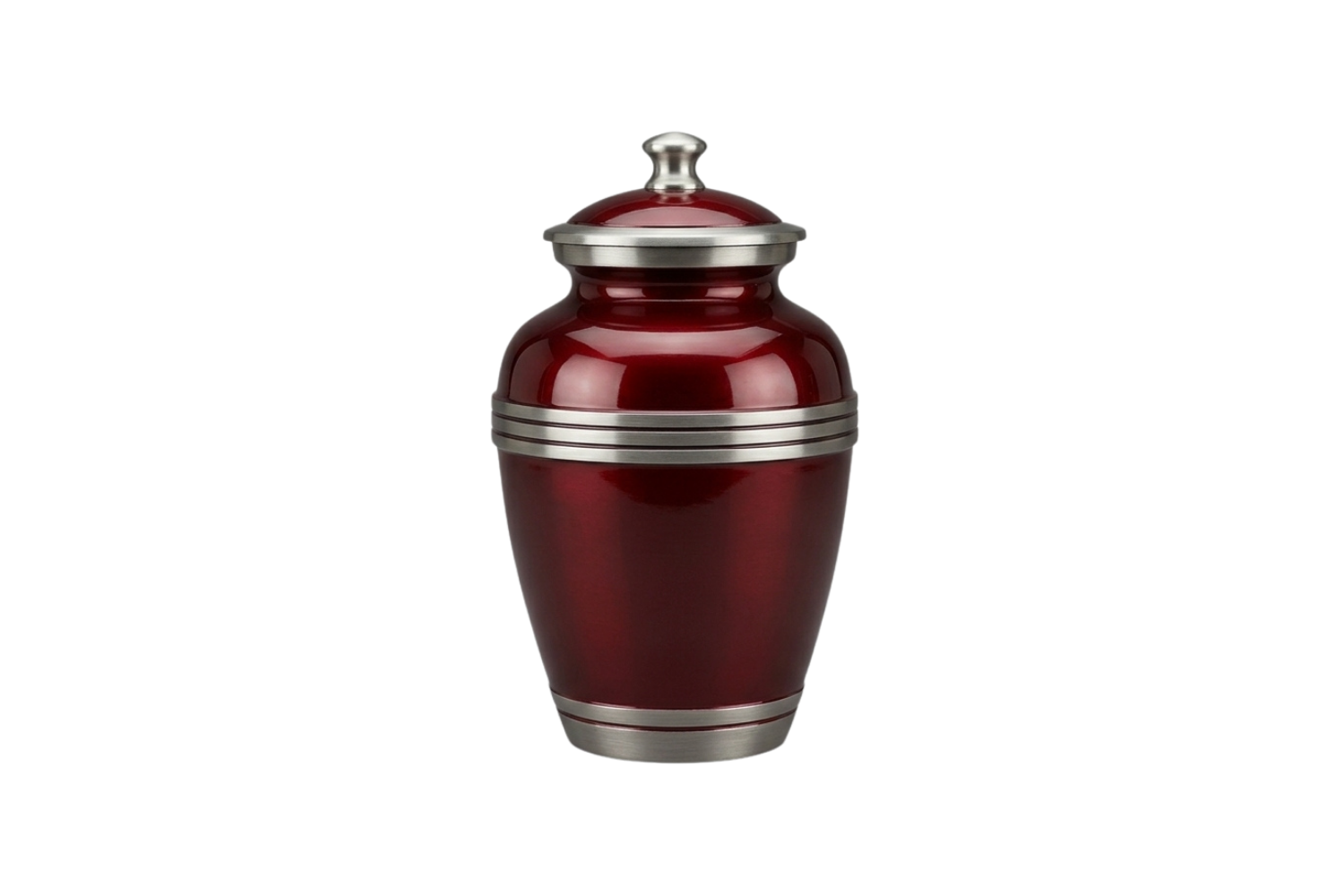
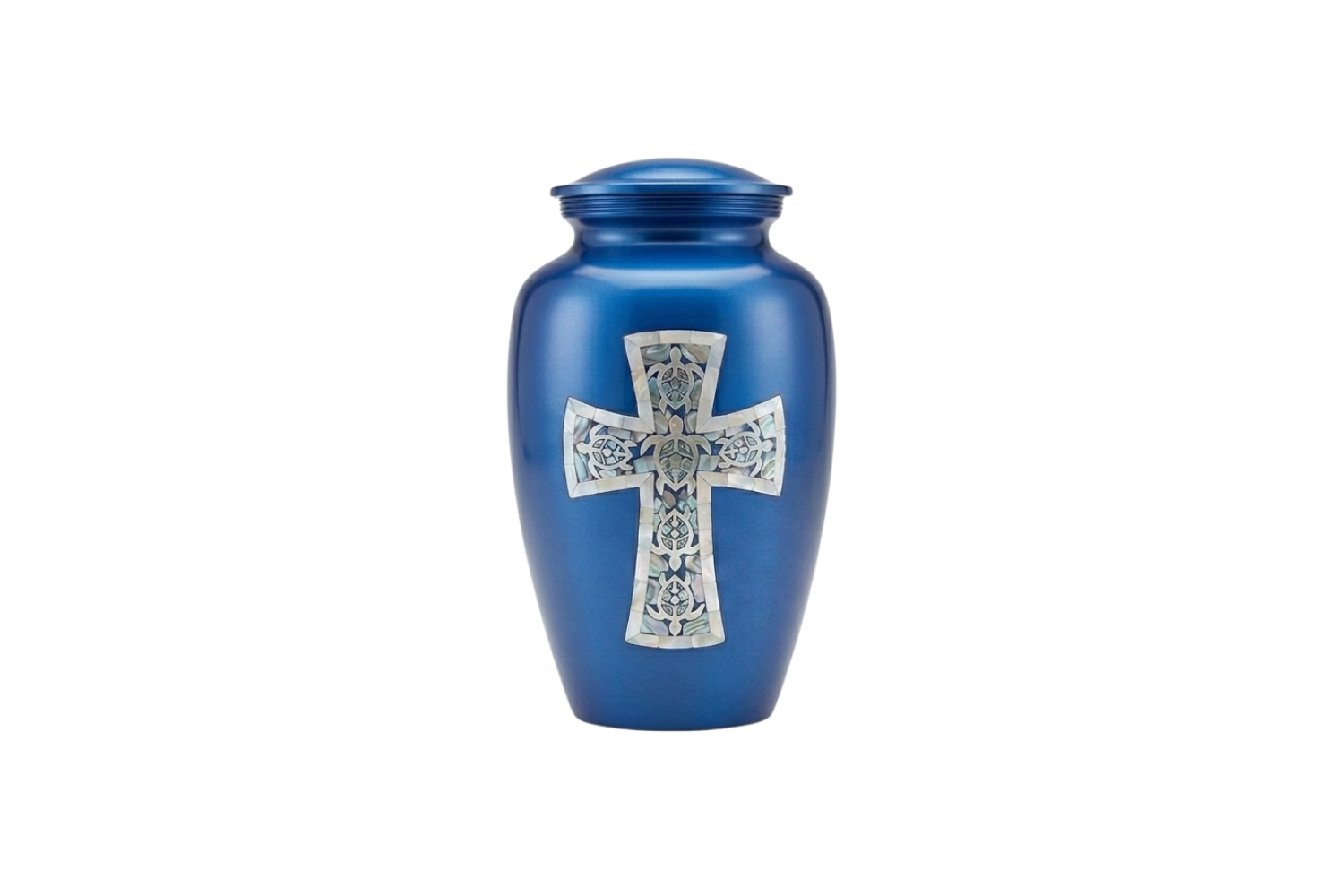
Metal

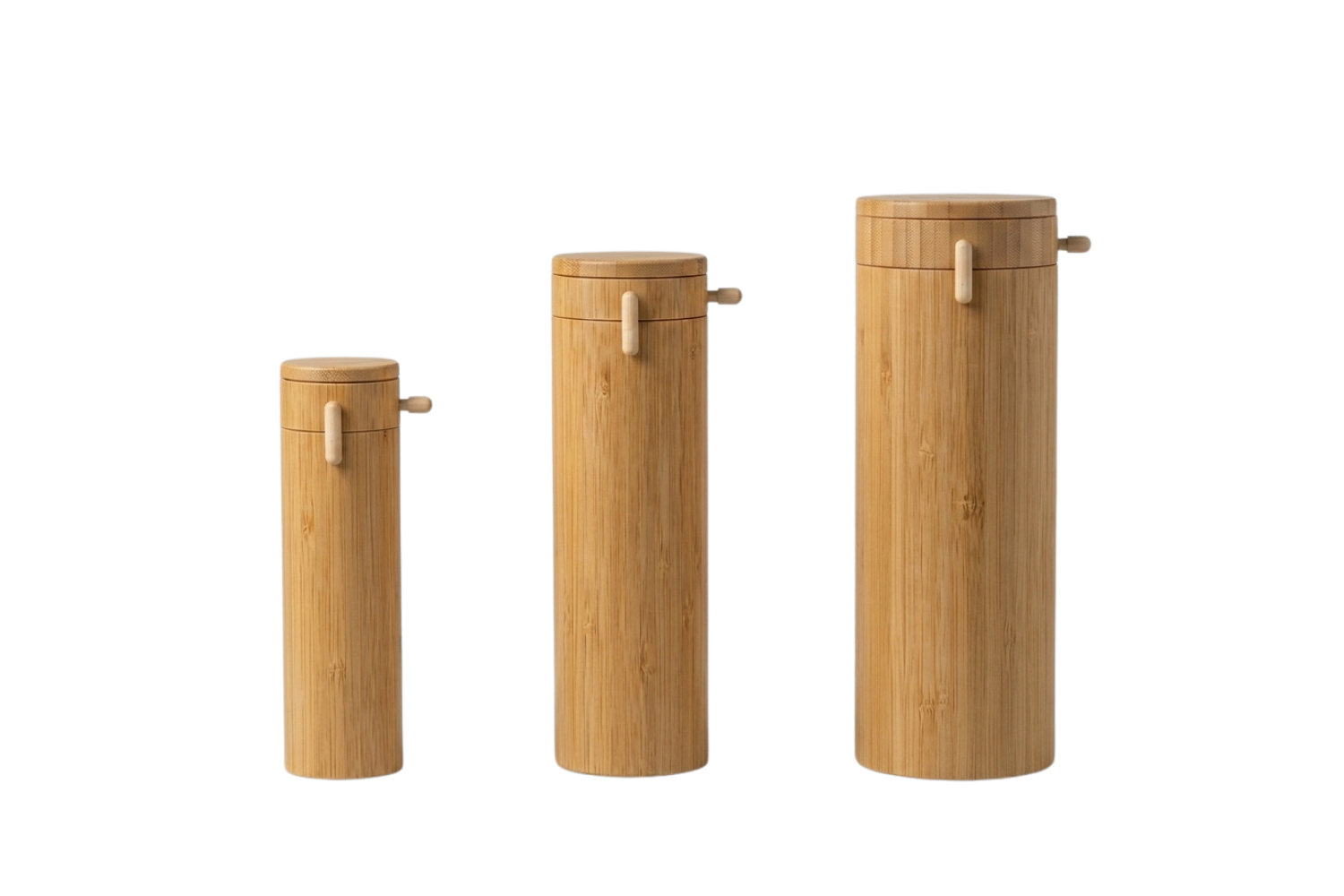
Wood

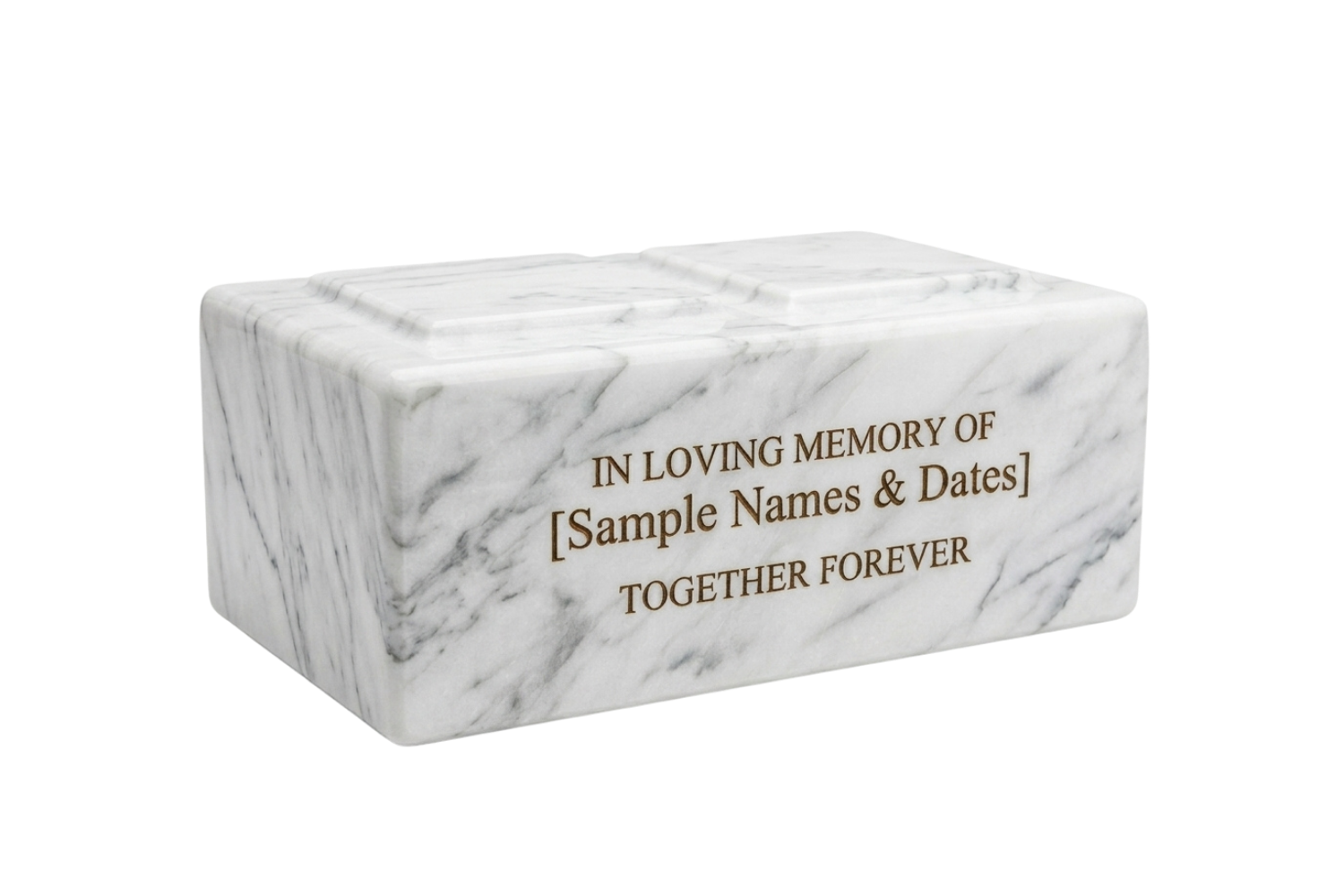
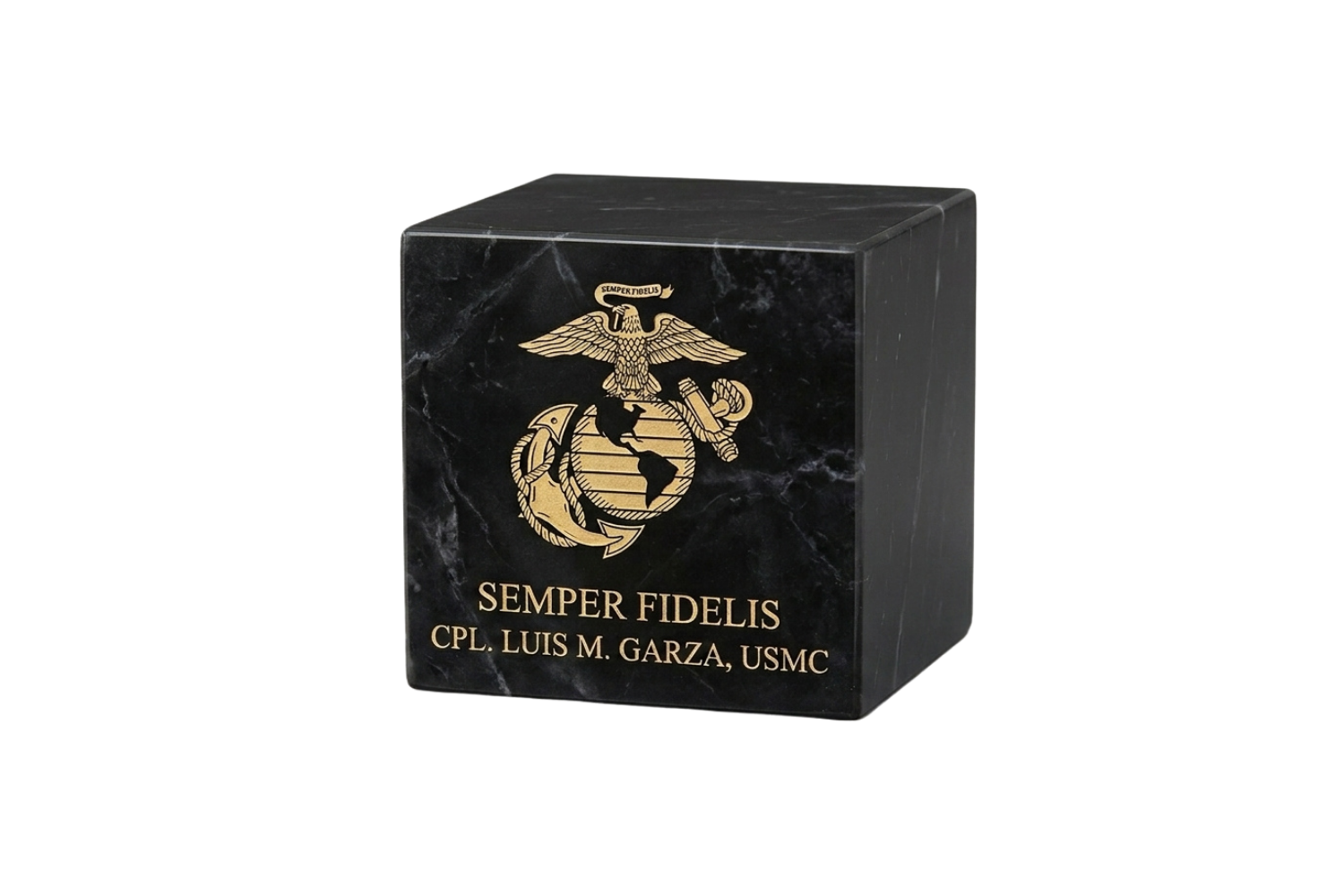
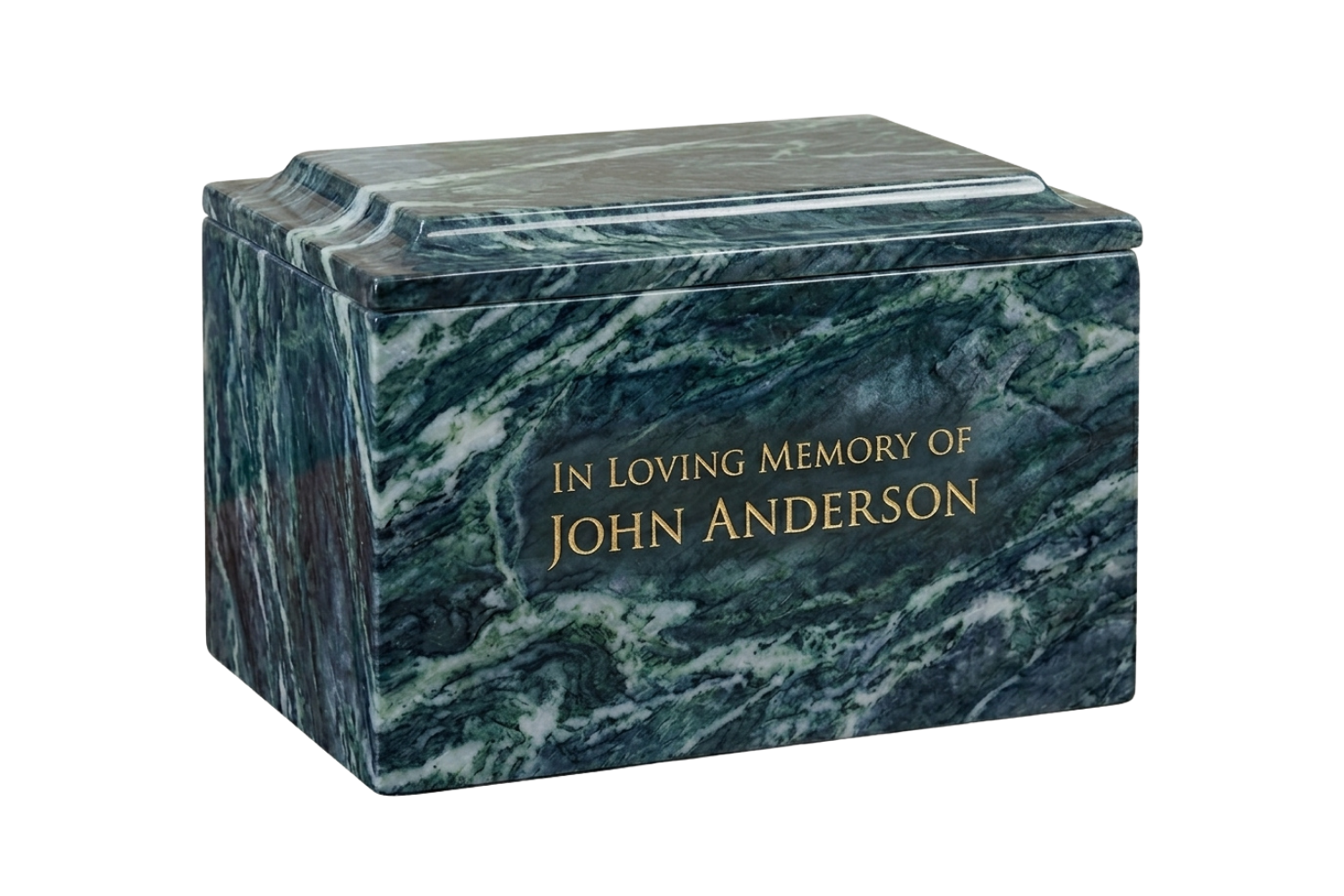
Marble

Ceramic

Biodegradable
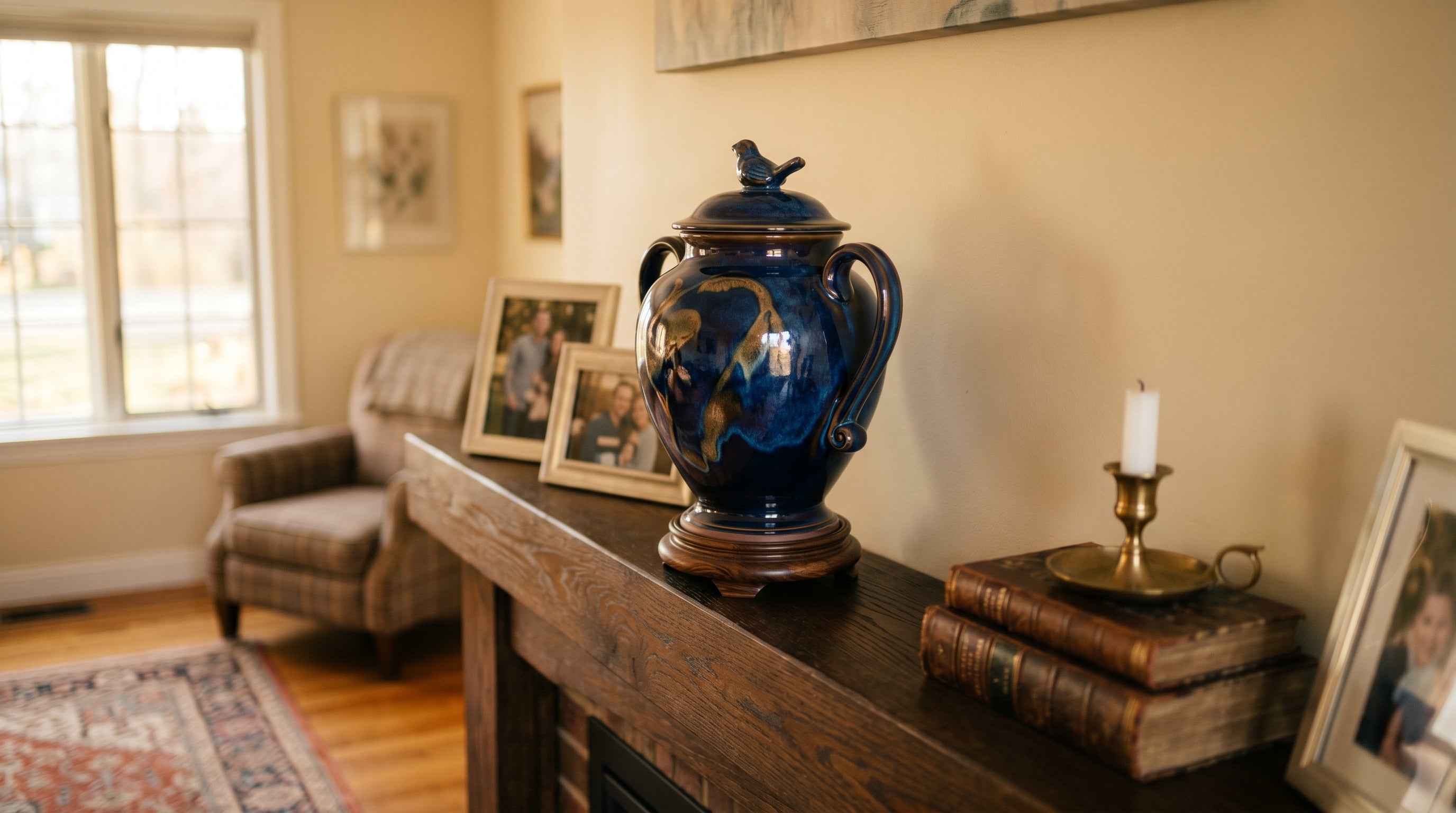
Display at Home
Decorative urns made from metal, wood, marble, ceramic, glass, or stone are often chosen for home display.
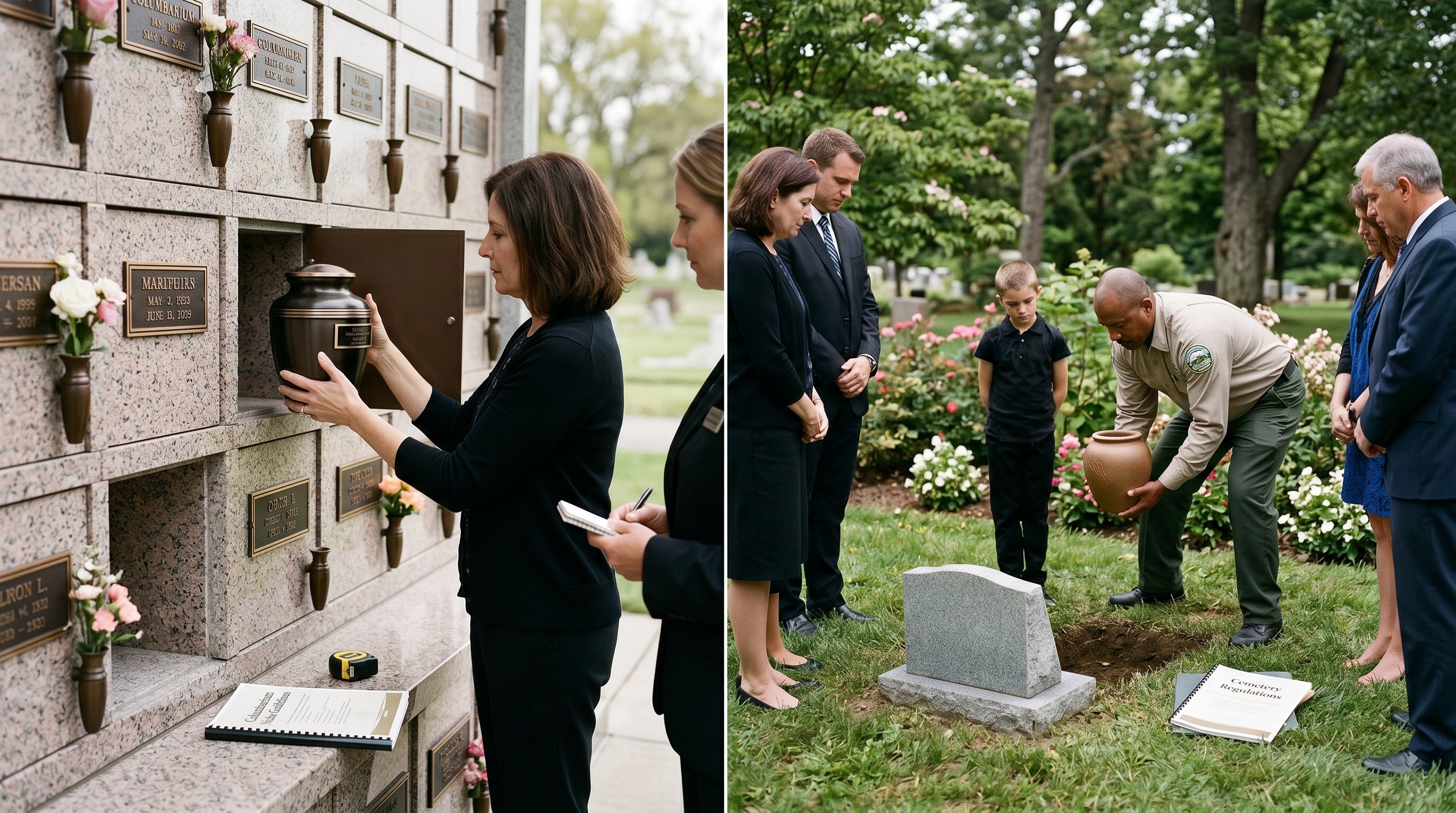
Burial or Niche Placement
If the urn will be buried or placed in a columbarium niche, confirm size requirements with the cemetery or columbarium before ordering.

Scattering
Scattering urns are designed to make the process of dispersing cremated remains smooth and respectful.

Sharing Ashes
Keepsake urns and mini urns allow several family members to each keep a small portion of ashes.
Frequently Asked Questions
Yes. Families can purchase an urn online and provide it to the funeral home, crematory, cemetery, or keep it at home.
Use the general rule of one cubic inch per pound of body weight before cremation.
Yes. Keepsake urns and cremation jewelry are often used when ashes are shared.
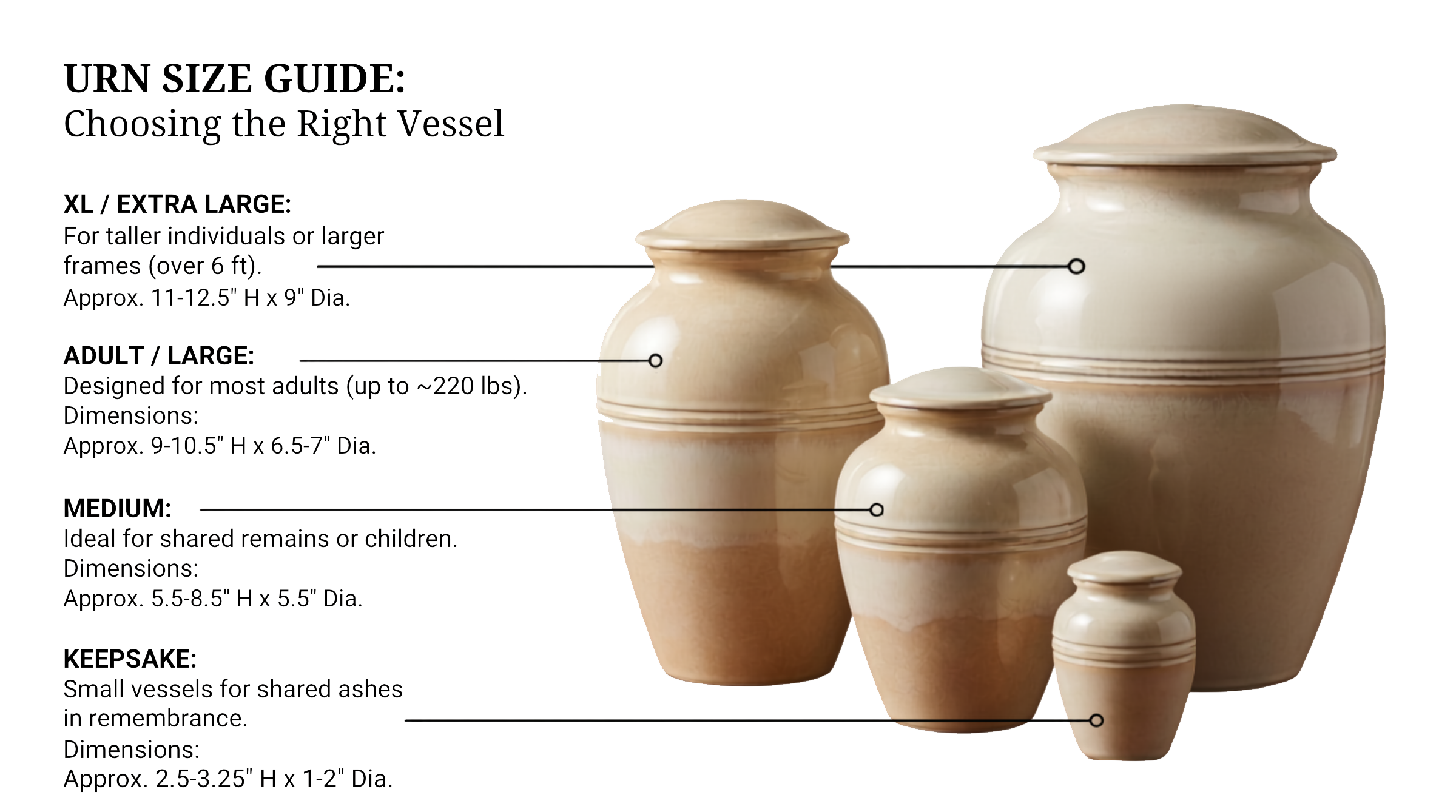
Urn Size Guide
A common rule is one cubic inch of urn capacity for each pound of body weight before cremation. For example, a person who weighed 180 pounds would generally need an urn with at least 180 cubic inches of capacity.
| Body Weight | Minimum Urn Capacity |
|---|---|
| Up to 100 lbs | 100 cubic inches |
| 100-150 lbs | 150 cubic inches |
| 150-200 lbs | 200 cubic inches |
| 200-250 lbs | 250 cubic inches |
| Over 250 lbs | 250+ cubic inches |
When unsure, choose a slightly larger urn or ask the cremation provider for guidance.
Urns
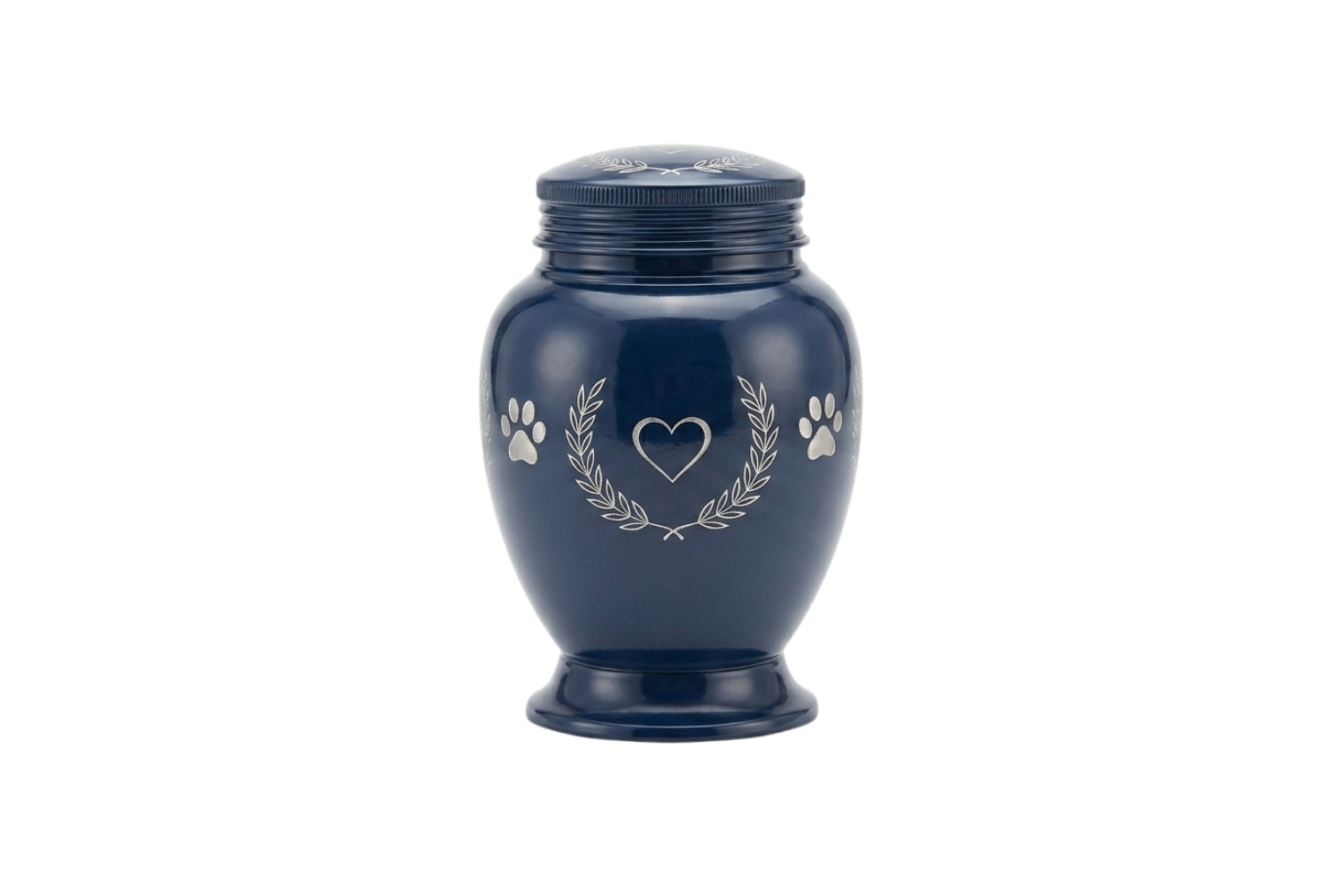
Find an urn that feels right.
Explore our urn collection or contact us for help choosing the right size and style.